Classes & lessons
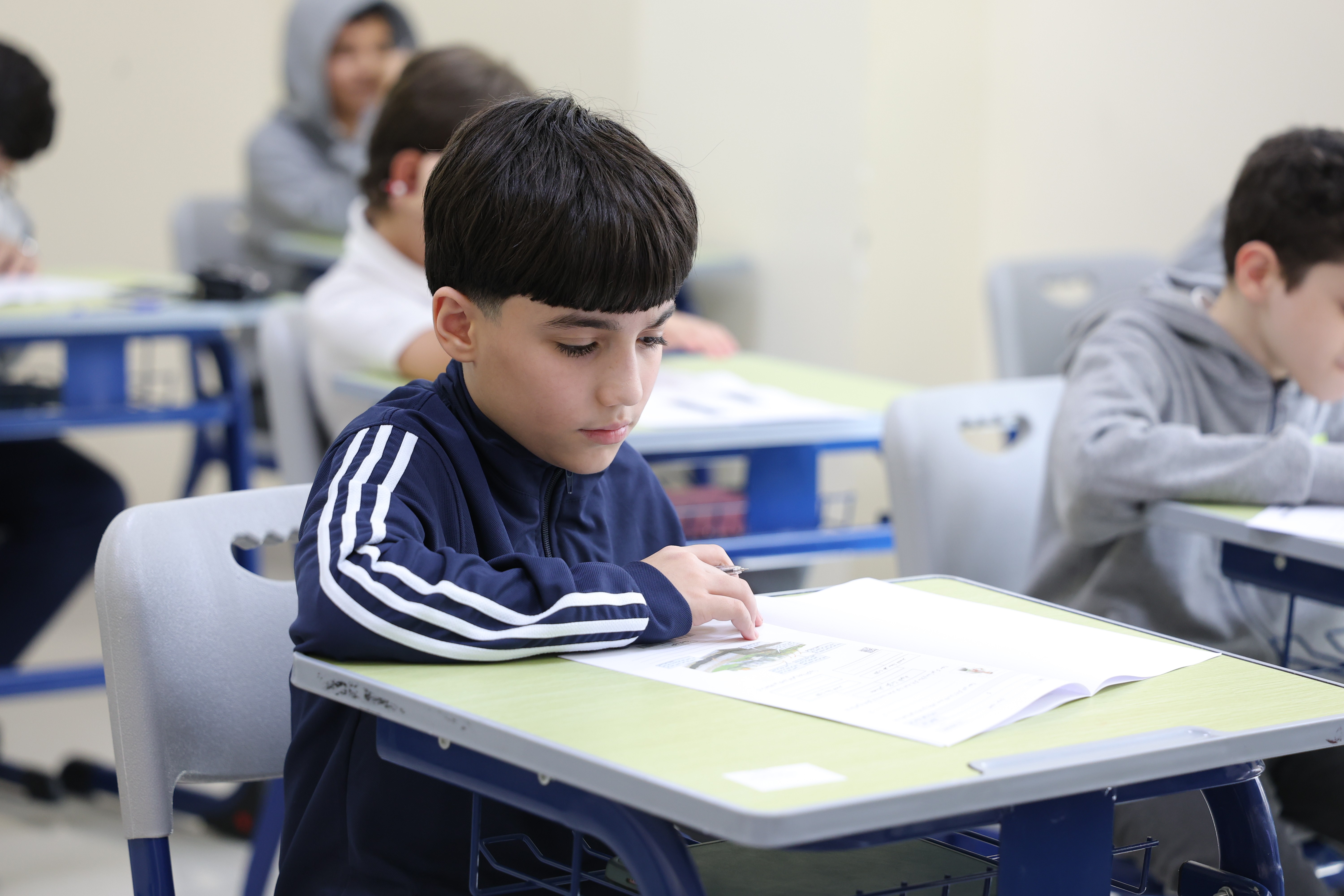
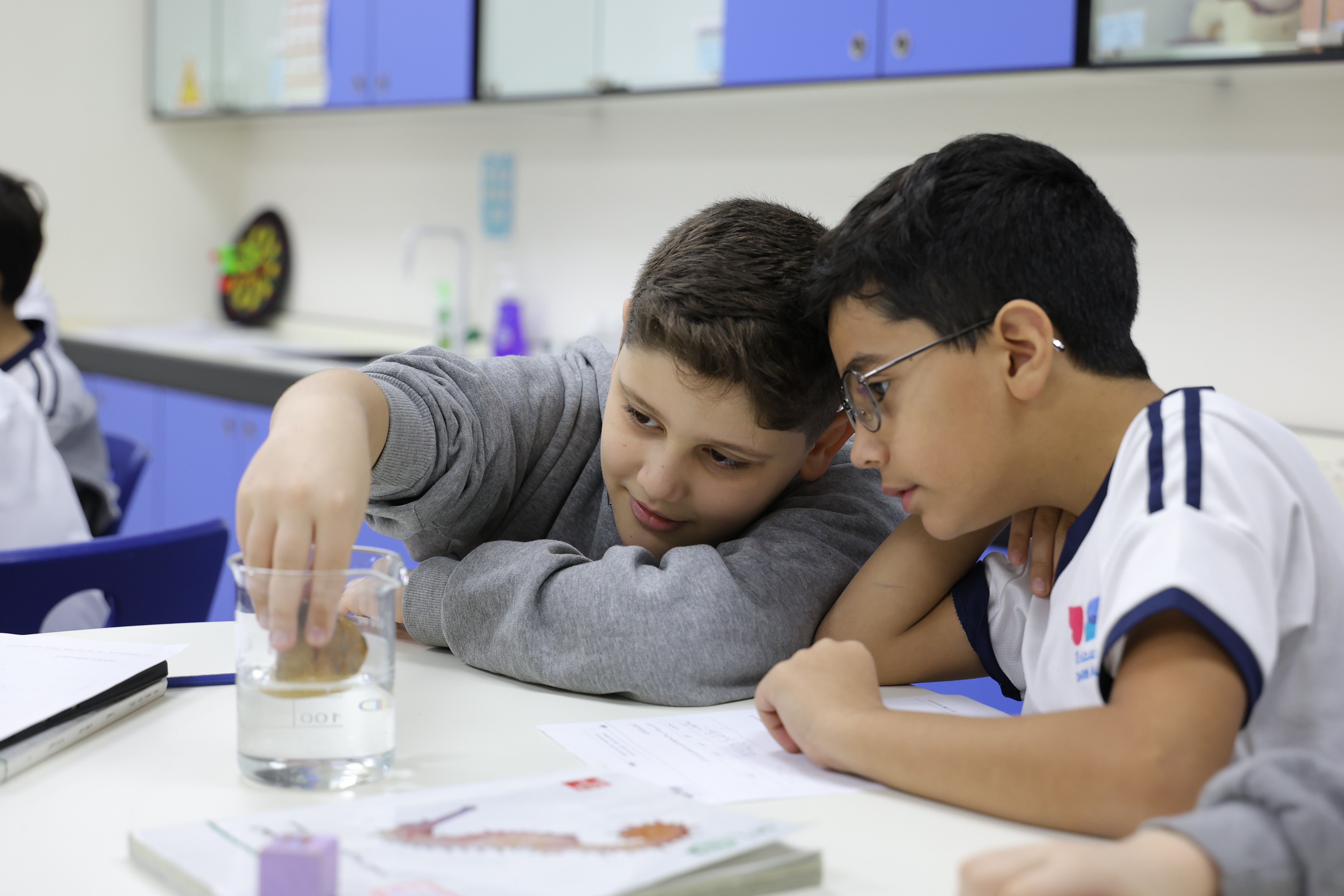
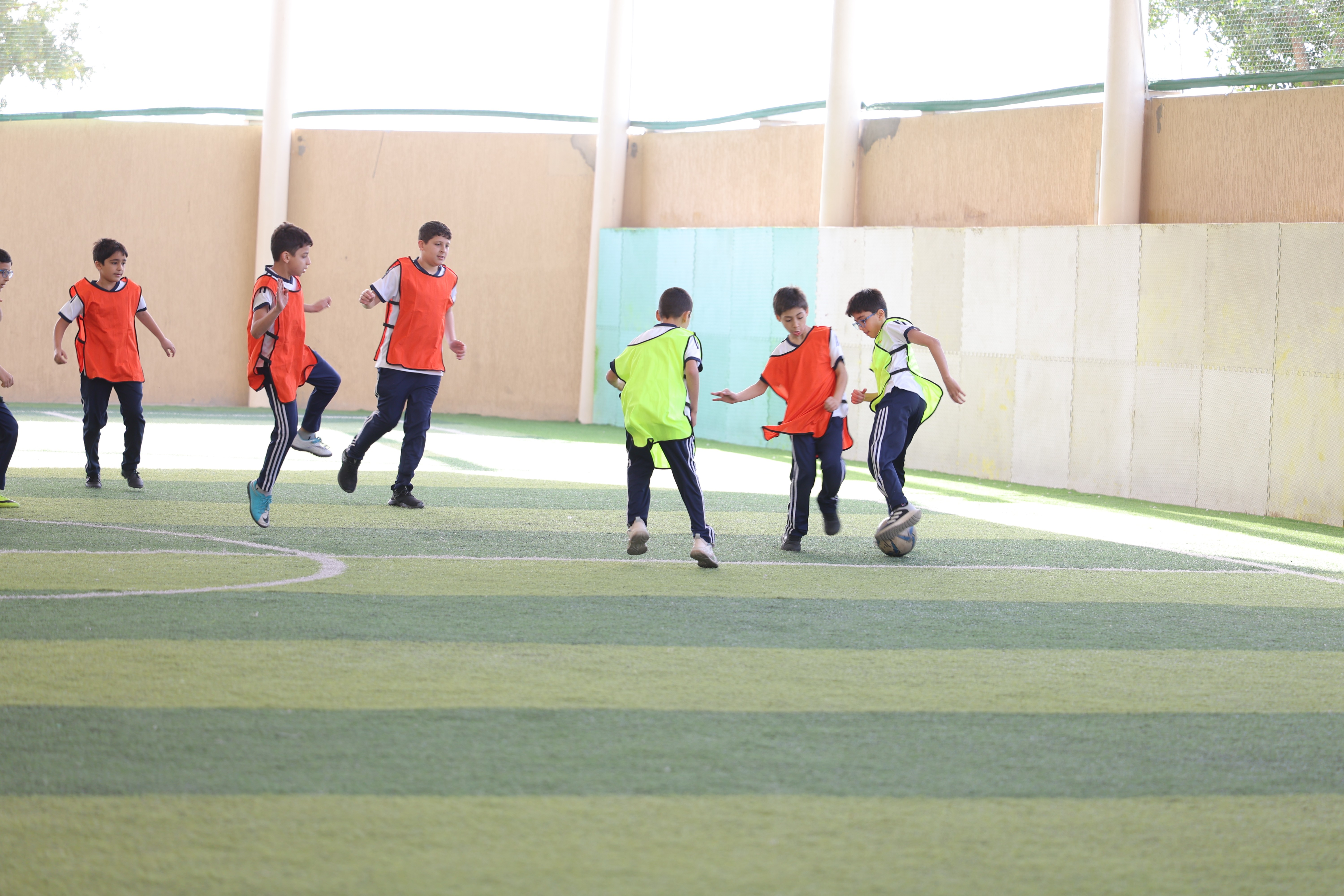
Lessons are evolving to become more reliant on research and critical thinking, where students engage in conducting scientific trips and carrying out simple surveys on environmental issues. Emphasis is placed on teamwork with minimal direct supervision, and the use of information technology and modern techniques to access knowledge, thereby preparing students for future technical specializations and enhancing their independence in decision-making.
Subjects in the Cycle
The subjects at this stage include two main groups; group (A) consists of English, mathematics, science, Arabic language, Islamic education, social studies, and moral education. Group (B) includes computing and creative design and innovation (CCDI), arts, physical and health education, business management, and a third language.
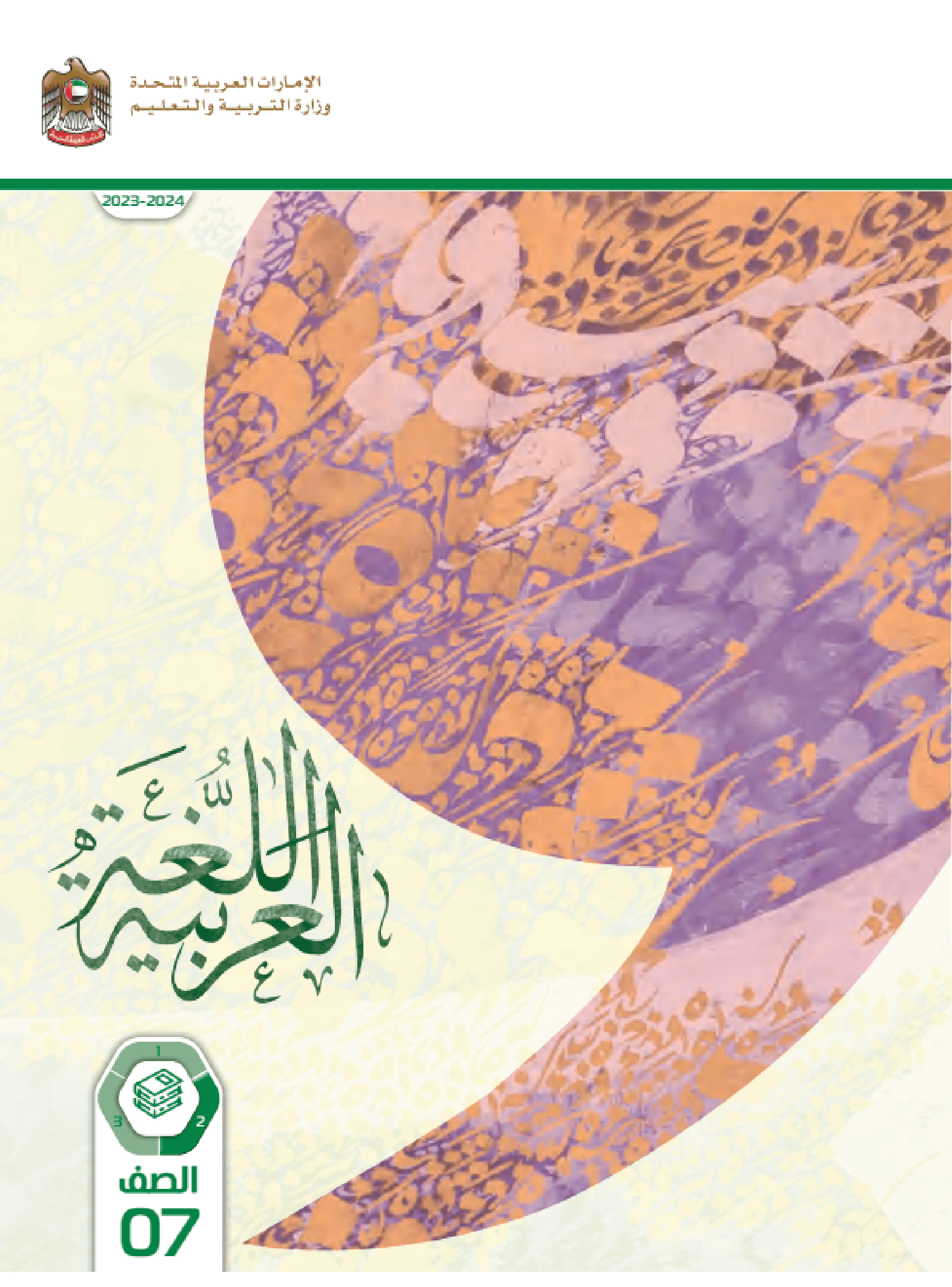
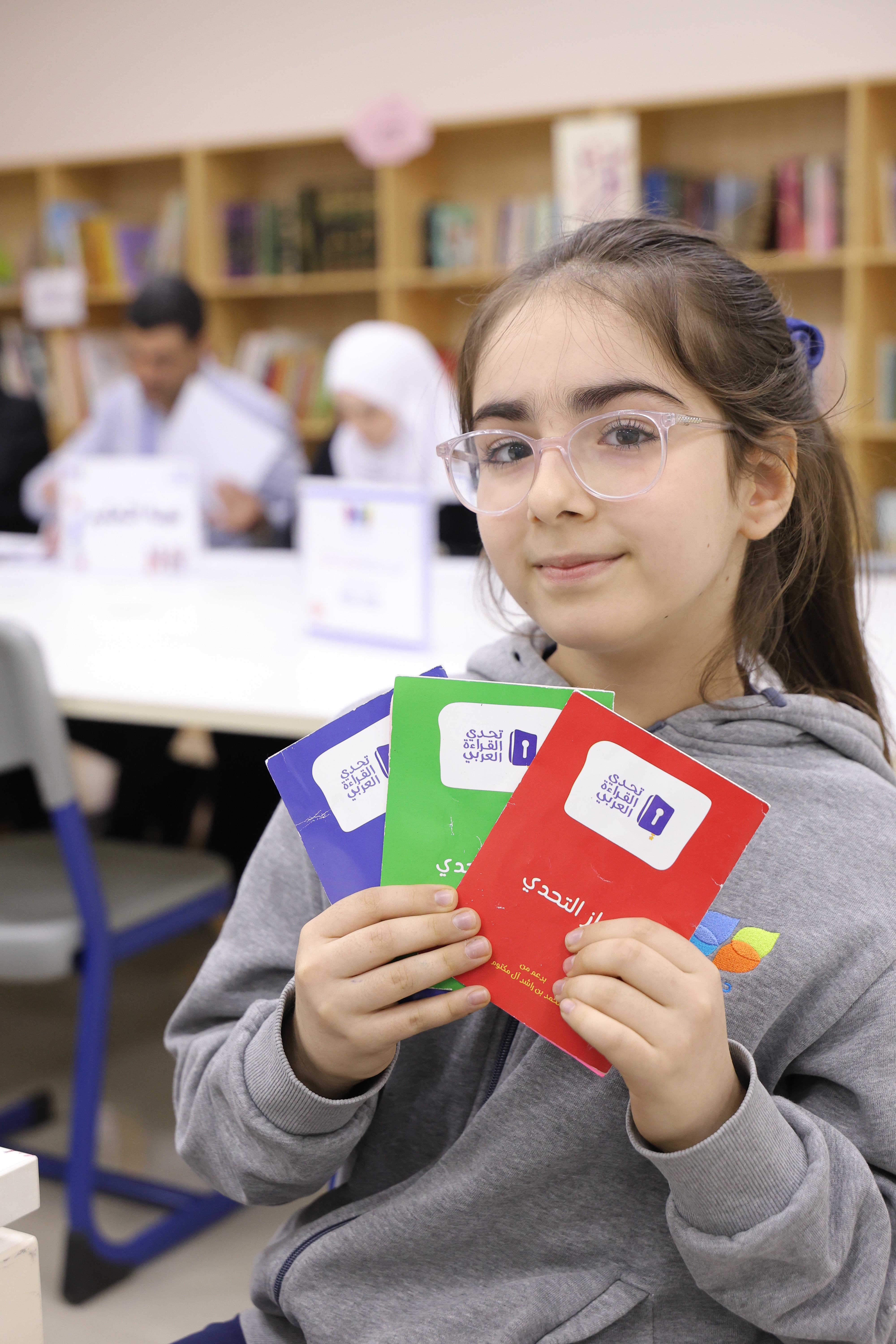
Arabic
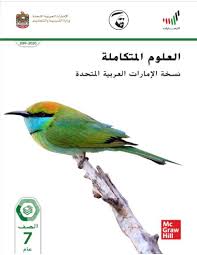
Sciences
Mathematics
Design and Technology
Islamic Studies
English
Social Studies
Learning outcomes
Knowledge
The student uses functional writing to express themselves in various ways, employing information technology and modern techniques to acquire knowledge and adapt to contemporary life, guiding them towards technical specializations. They also utilize research and critical thinking skills to solve real-world problems methodologically, understanding quantitative variables mathematically (tables, charts) and interpreting their impacts. Furthermore, they possess the ability to build models that simplify scientific concepts, and they geographically locate their country using various techniques and maps.
Skill
The student employs their linguistic experiences for positive communication and understanding of auditory and reading texts. They demonstrate the ability to plan scientific inquiries to solve environmental problems. Additionally, they use mathematical knowledge in daily transactions and problem-solving. The student actively participates in national and social events and volunteer work, reflecting their national identity and heritage, and practices their religious rituals with awareness and moderation.
Independence and Responsibility
The student participates in executing projects within work teams with defined responsibilities and roles, with a minimum of direct supervision. They also show awareness of their abilities and skills, empowering them to make decisions that contribute to outlining the initial features of their professional and academic future, and takes responsibility for their learning and decisions.
Interaction with the Work Environment and Self-Development
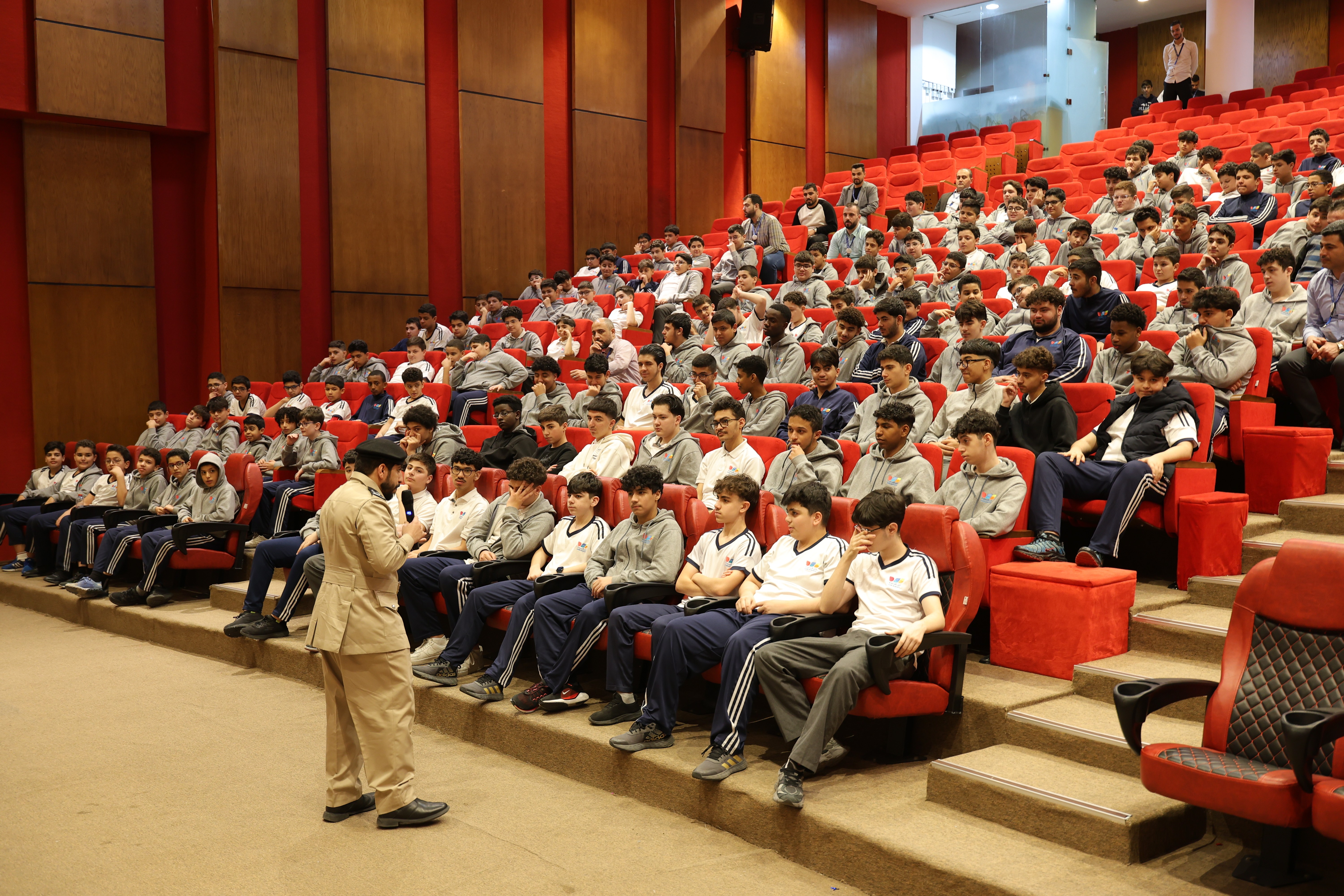
The student works either in teams or independently to solve real-world problems, and participates in scientific trips and surveys on environmental issues. In terms of self-development, the student reflects leadership traits and independence in problem-solving and decision-making, and participates in camps and seminars that enable them to present their opinions and ideas boldly and objectively, with minimal guidance.
Assesments
Continuous and Diagnostic Assessments
Assessment is conducted continuously throughout the year to determine the educational standing of the student and support their growth. Diagnostic (central) tests for languages and mathematics are conducted to guide educational plans without counting their grades in the average. Teachers carry out formative assessments with observed grades according to central criteria that contribute to the final average.
Central and Final Exams
Central exams are held at the end of the semester for Group (A) subjects and require students to be physically present at school. These exams aim to measure the acquisition of cognitive skills and the ability to face challenges. For Group (B) subjects, teachers conduct end-of-semester assessments according to central procedures, which are included in the academic performance.
Project-Based Learning
Project-based learning and assessment are implemented in schools during the second semester for all Group (A) subjects. This assessment is conducted according to central directives and is monitored to ensure quality implementation, with results counted in the student's academic performance grade, thereby enhancing practical and applied skills.