Classes & lessons
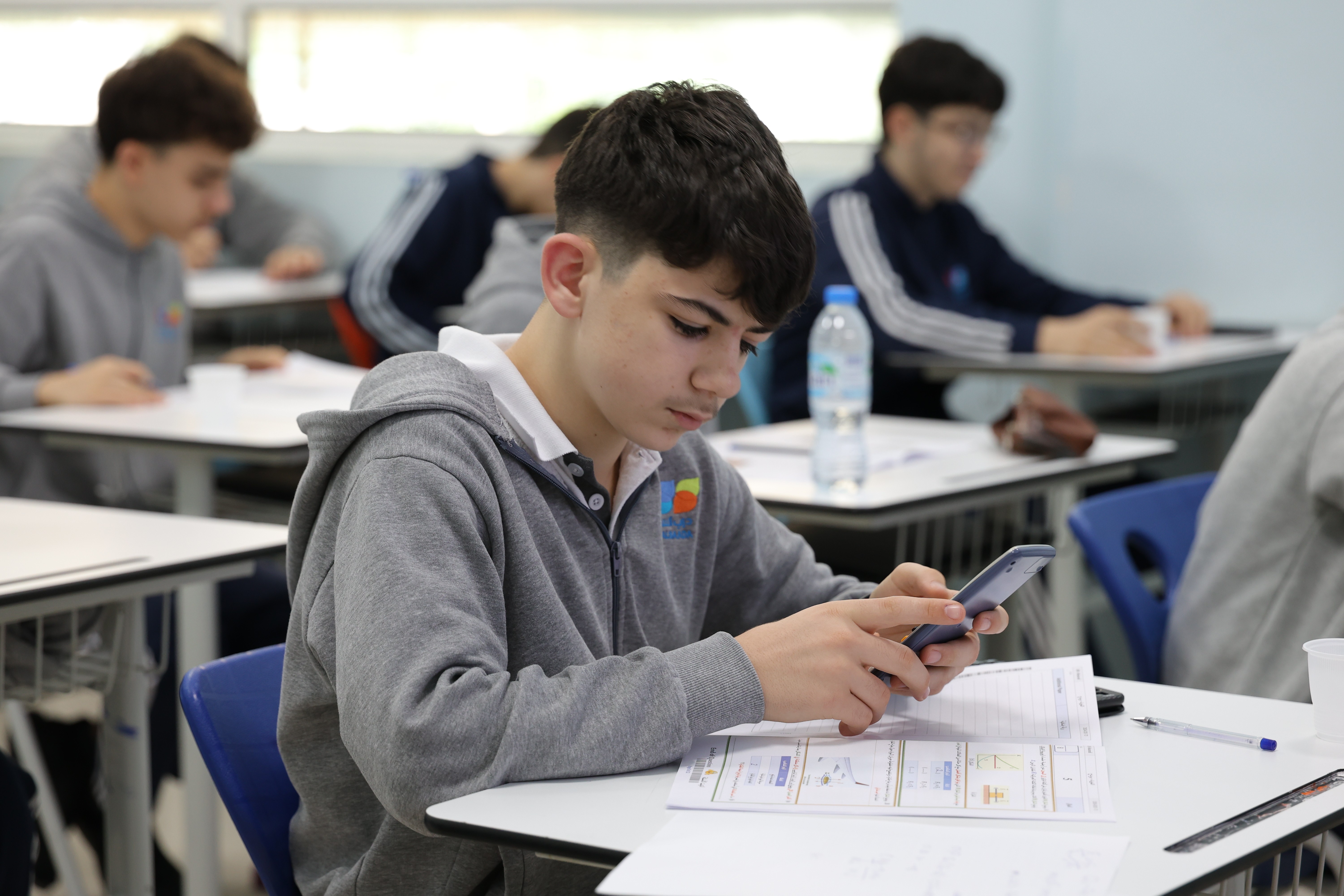
Classes take on an advanced application and practical character, where students engage in training programs and educational camps, and participate in projects and research that require the use of technical and laboratory tools and materials. The educational environment focuses on solving complex problems, critical thinking, and decision-making, while encouraging students to participate in national and international competitions and to build advanced mental and engineering models.
Subjects in the Cycle
This stage includes deeper specialized materials divided into two groups; group (A) includes Arabic, English, Mathematics (including calculus), Physics, Chemistry, Health Sciences, and Social and Ethical Studies. Meanwhile, group (B) includes Computing, Creative Design and Innovation, Arts, and Physical and Health Education.
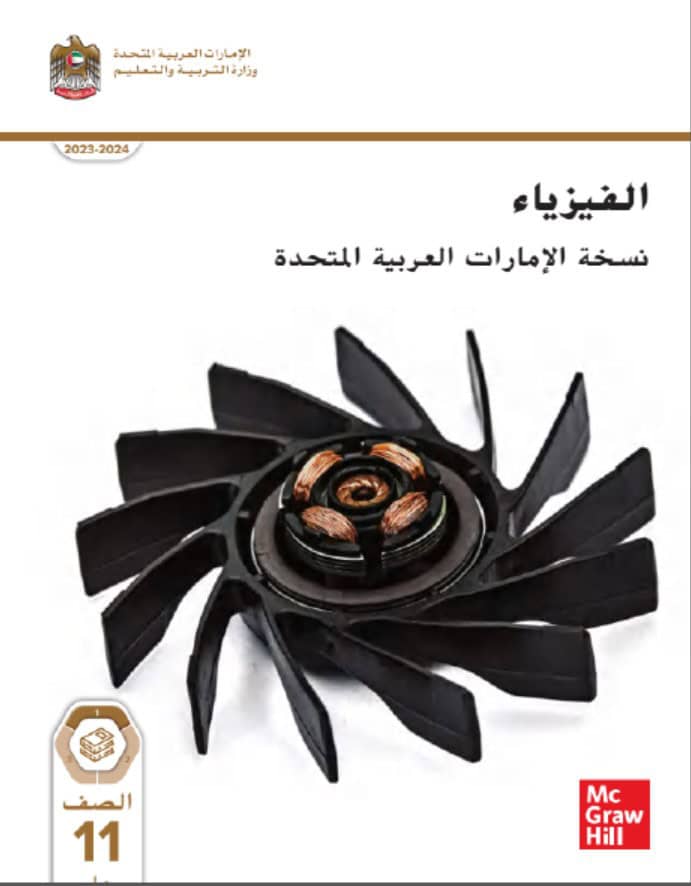
Physics
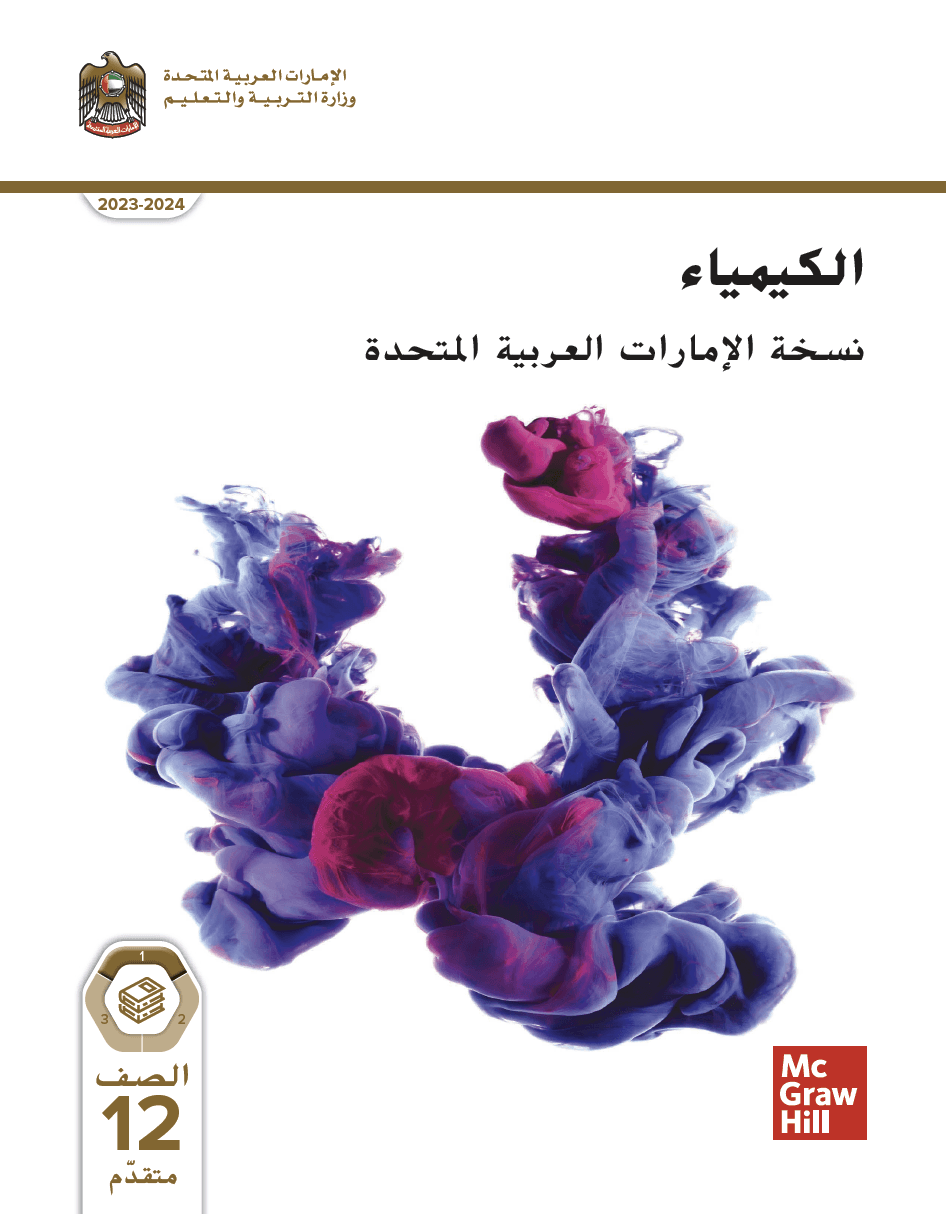
Chemistry
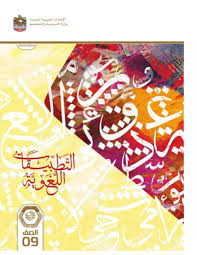
Arabic
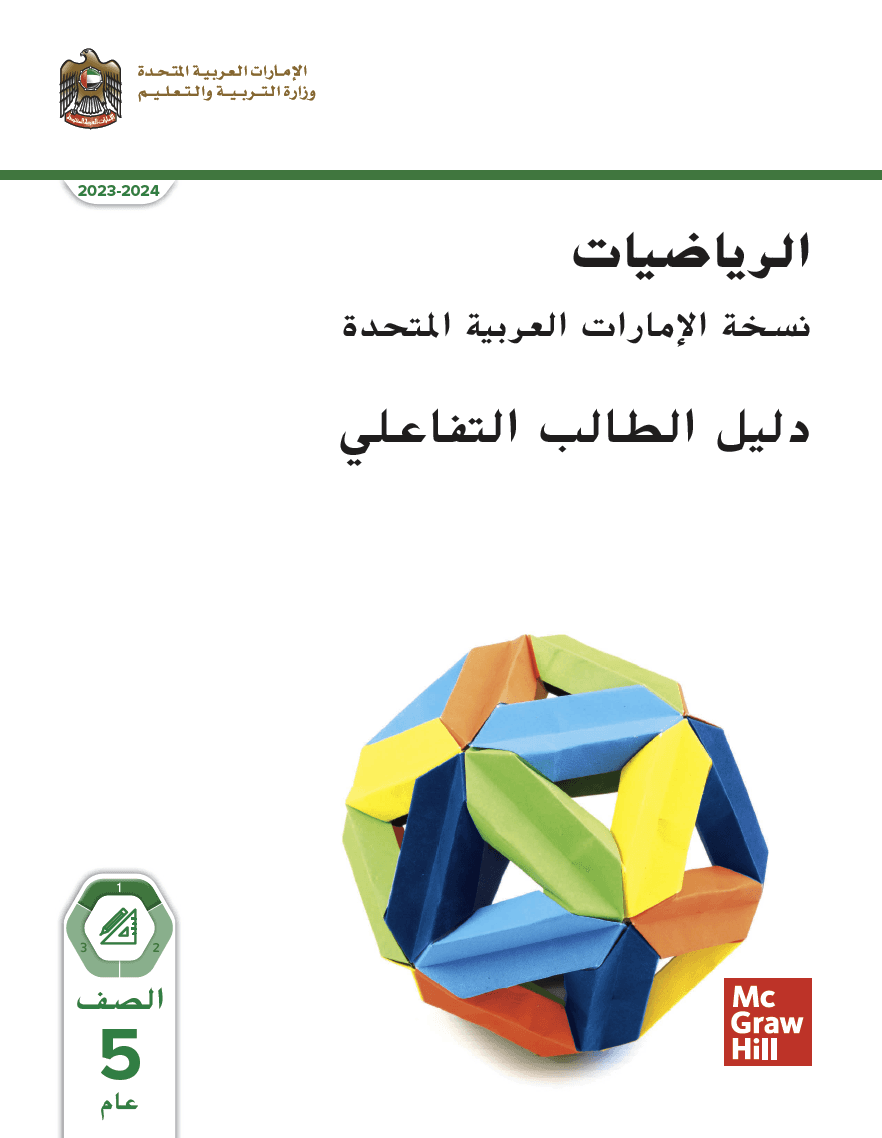
Mathematics
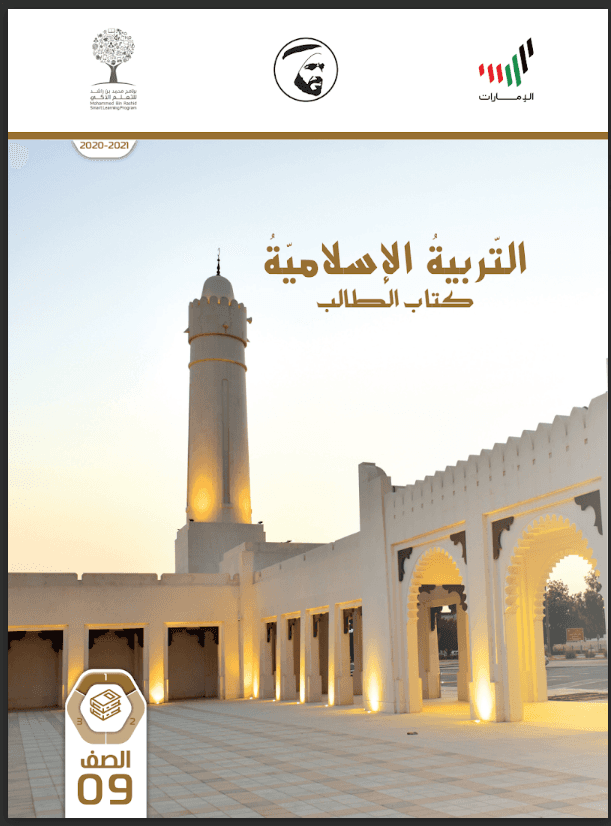
Islamic studies
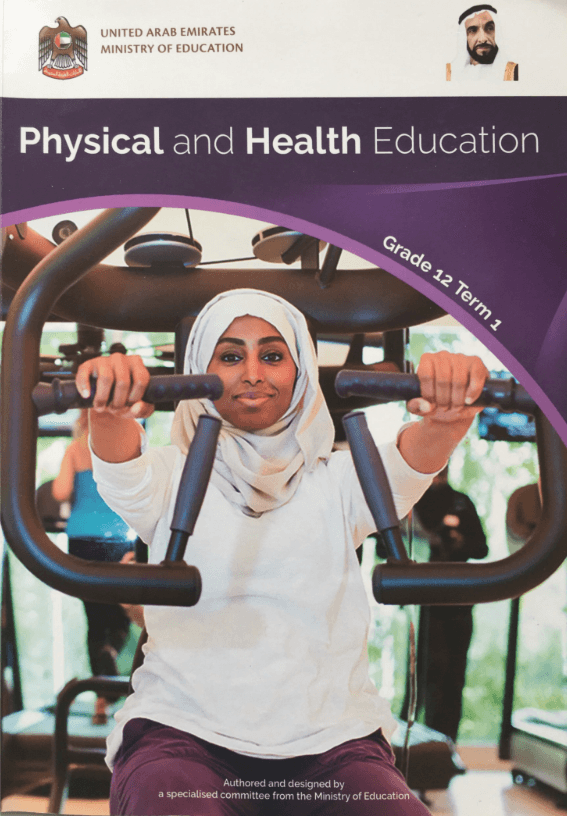
Physical Education
English
Social Studies
Biologi
Learning outcomes
Knowledge
The student demonstrates mastery of advanced concepts in algebra, geometry, calculus, and employs them to solve complex problems. They integrate physics, chemistry, and earth and life sciences to explain phenomena and find solutions to real-world issues. Additionally, they possess a deep understanding of Arabic literary arts to produce and comprehend creative expressions, and use English accurately to discuss global issues. They also have a broad understanding of the history and geography of the UAE and the existing global system based on pluralism.
Skills
The student employs scientific research skills and critical thinking to find unconventional solutions using laboratory techniques. They use mathematical skills to build mental models and geometric designs. They express their thoughts fluently (in writing and conversation) in both Arabic and English. They demonstrate sound behavior based on religion and customs, and they utilize digital and print resources to accomplish humanities and social research related to environmental and community issues.
Independence and Responsibility
The student integrates their scientific, technical, and engineering knowledge to produce simple technological outcomes. They demonstrate leadership qualities during teamwork in projects and research. They also express themselves independently, articulating their thoughts on their aspirations and professional future, showcasing the ability to complete scientific projects with minimal supervision.
Interaction with the Work Environment and Self-Development
The student displays the ability to express their opinions objectively and independently, free from bias. They engage in training programs, activities, and projects to hone their performance and technical skills for application in life. They also participate in educational camps that prepare them for national and international competitions, enhancing their readiness for academic and professional futures.