Classes & lessons
Classes in the first cycle focus on foundational knowledge and skills, where students are encouraged to carry out scientific and educational projects under direct supervision. The classes employ active learning strategies that develop skills in planning simple scientific investigations, using technology to research information, in addition to participating in national events and working within teams that demonstrate respect for roles and responsibilities.
Subjects in the cycle
The subjects in this stage are divided into two groups; group (A) includes the core subjects which are English, Mathematics, Science, Arabic, Islamic Education, Social Studies, and Moral Education. Meanwhile, group (B) consists of activity and skills subjects such as Computing, Creative Design and Innovation (CCDI), Arts, Physical and Health Education, and Business Management.
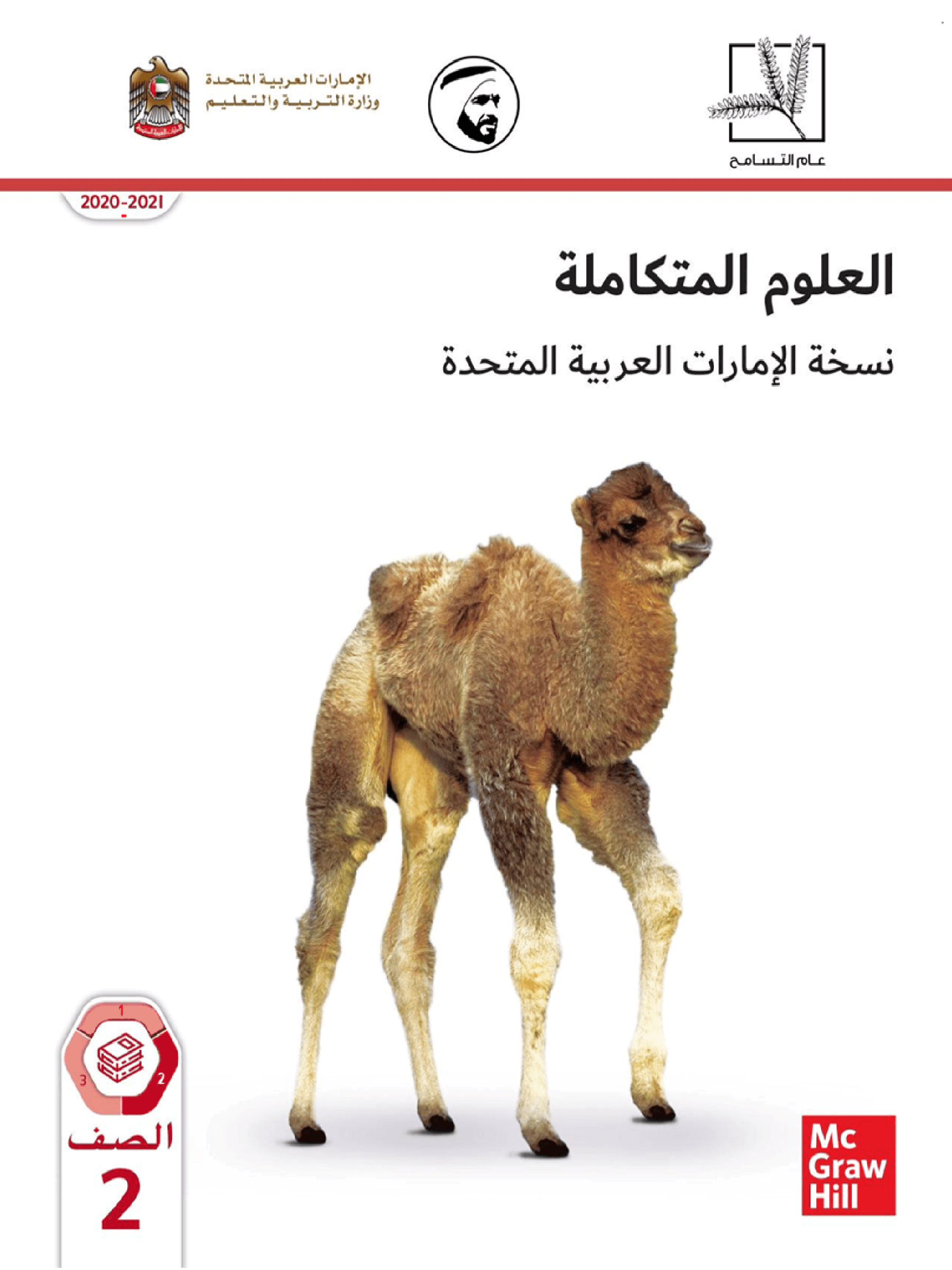
Sciences
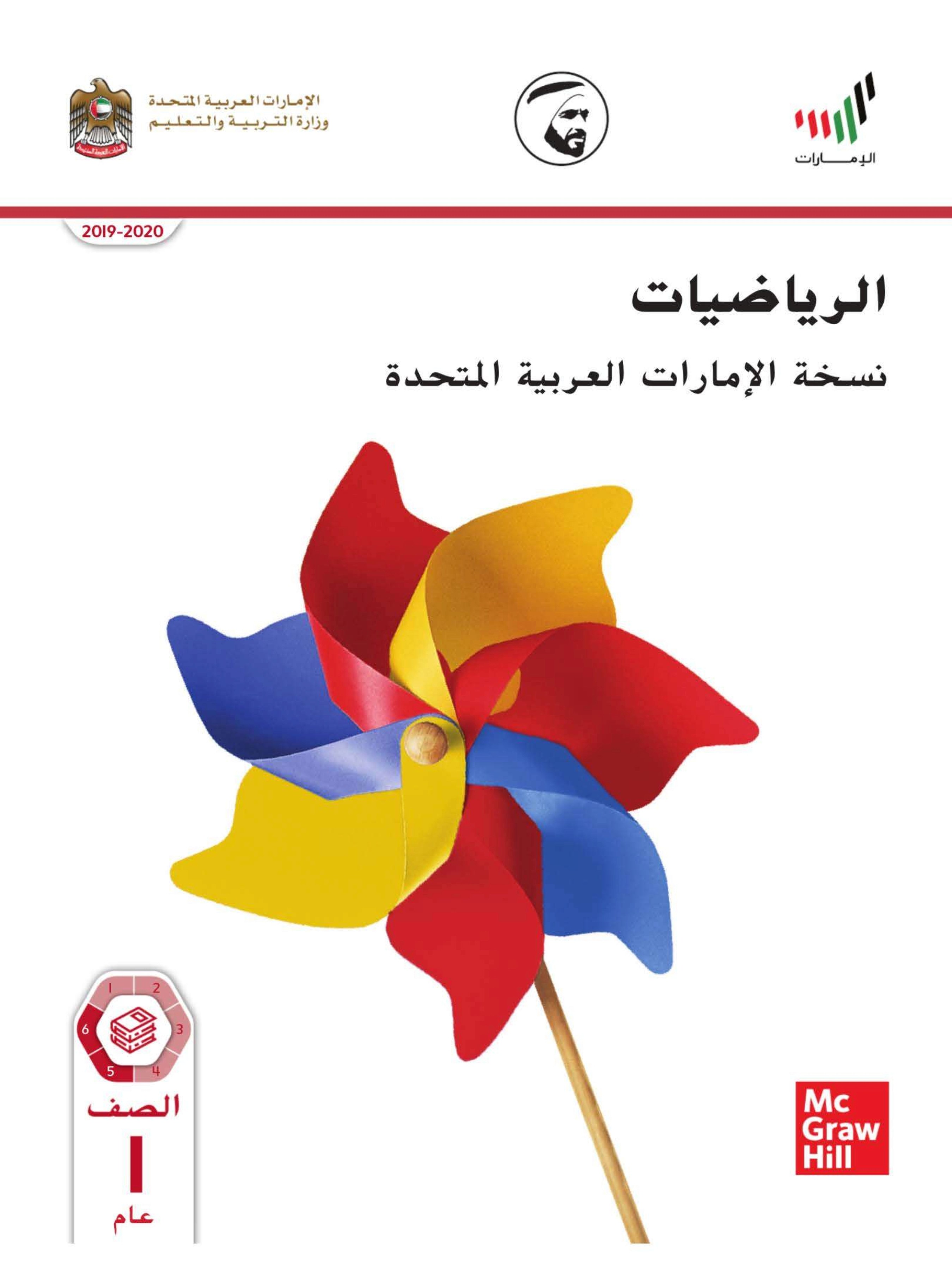
Mathematics
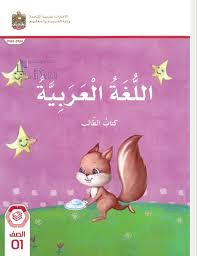
Arabic
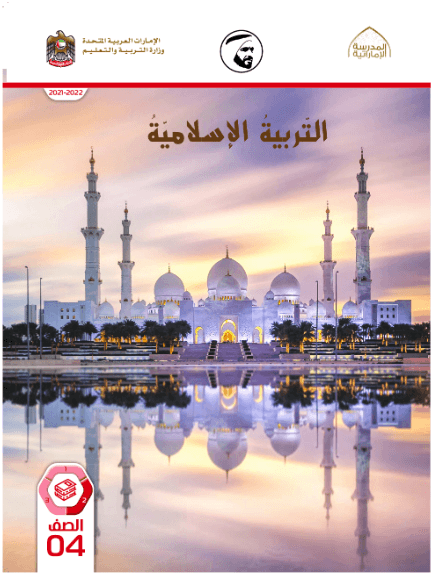
Islamic studies
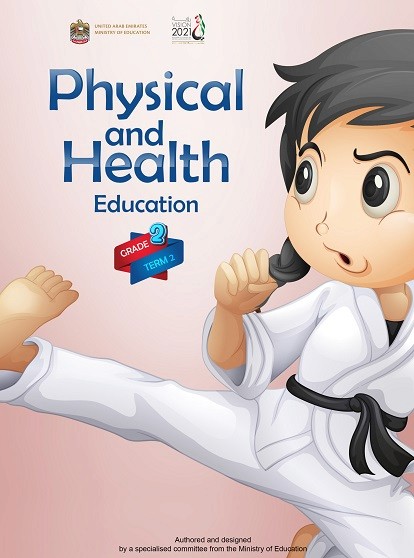
Physical Education
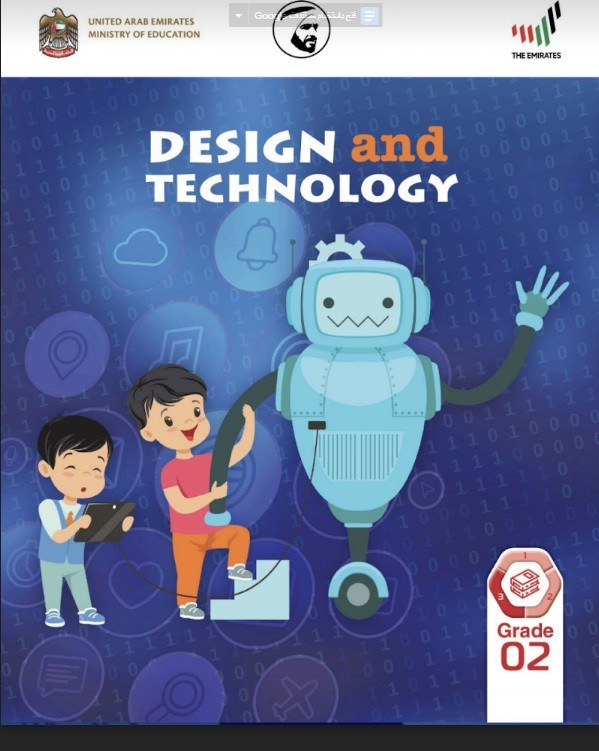
Design and Technology
Learning outcomes
Knowledge
The student demonstrates the ability to read and write various texts with correct comprehension and proper spelling. They also acquire knowledge of numbers, arithmetic operations, and statistical concepts. In science, they learn about the structure of body parts, plants, animals, and components of space and energy and their sources. In addition, they show knowledge of the components of their Islamic faith, reflect an awareness of the concept of the homeland, the governing system, and their belonging to it, and apply scientific knowledge to maintain their health and fitness.
Skills
The student utilizes their language experiences for positive communication and understanding of what they hear and read. They demonstrate the ability to plan for conducting simple scientific inquiries to solve environmental problems. They also use their mathematical knowledge to facilitate their daily transactions and solve problems of a mathematical nature. Socially, they participate in national and social events and volunteer work while practicing their religious rituals with awareness and moderation.
Independence and Responsibility
The student is committed to fulfilling the roles and tasks assigned to them within a time frame and simple methodology. They also carry out scientific and educational projects under direct supervision to achieve specific results. This stage enhances the student's ability to take responsibility for their learning and complete their assignments within the agreed-upon conditions.
Interaction with the Work Environment and Self-Development
The student shows awareness of their responsibilities and the roles of others when working within a team, demonstrating respect and commitment until the task is completed. They are aware of the limits of their knowledge and behave in an organized manner. In terms of self-development, they utilize vocabulary in functional writing (letters, cards) and creative writing (stories), and they use research skills to obtain information from reliable printed and digital sources.
Assesments
Diagnostic and Formative Assessment
Diagnostic tests are conducted in language and mathematics subjects for all students to guide learning plans, and they are central for grades (3-4) and internal for grades (1-2). As for formative assessment (ongoing), it is carried out by teachers throughout the year to measure student progress, and it is divided into two types: ungraded (to support learning) and graded (counted towards the average with specific weights).
Final and Central Assessments
For grades one and two, there are no central tests, and all subjects are assessed by the teacher. However, grades (3-4) undergo central end-of-semester tests for group (A) subjects, while group (B) subjects are assessed by the school. These assessments aim to measure the achievement of cognitive and skill outcomes.
Distribution of Grades and Weights
Grades are distributed based on specific relative weights between formative and final assessments. For group (A) subjects in grades (3-4), the ratios are distributed between the central final exam and the school-based formative assessment. As for group (B) subjects and lower grades, they rely more on continuous school assessment and internal end-of-semester evaluation.